Looking at the two films, it is clear to see how our film making abilities improved throughout the process. There is a significant improvement in our ability to spot and rectify continuity errors as there are not as many evidnt in our main task as there were in our prelim. We also became better at positioning a camera in order to get the best effect form as scene and we became much better at framing shots so that all relevant characters could be seen clearly and that the audience got a sense of how they are supposed to be feeling. Our editing ability also improved as the finished product was much more slick and professional than the prelim, with the editing being less noticeable and seeming more natural dues to smoother cuts and our ability to use fades effectively. We also improved our script writing, achieving more believable dialogue in our main task than we did in our prelim. It is visible from watching our work that there was an overall improvement in our use of filming, editing, sound, effects, script writing and narrative from our prelim to our main task.
Saturday, 24 March 2012
Evaluation 7
Looking back at your preliminary task, what do you feel you have learnt in your progression from it to the full task?

Evaluation 6
What have you learnt about technologies from the process of construting this product?
In creating our media product, we used a range of different software and hardware, some of which we were familiar with using and some of which we had to teach ourselves how to use for the first time. These included:

In creating our media product, we used a range of different software and hardware, some of which we were familiar with using and some of which we had to teach ourselves how to use for the first time. These included:
- Youtube - After it was complete we uploaded our film to Youtube. This was fairly simple once the film was converted to the right format as all of us have had previous experience of using Youtube.
- Lumix Camera by Panasonic - We filmed our product using a Lumix series Panasonic digital camera. This was fairly straightforward to use and most of us had a basic knowledge of this type of camera. We became more proficient in using some of the camera's more technical features throughout the process of making our film. For example we became proficient at using the camera's zoom setting wihout triggering the auto-focus built into the camera. However this is not visible in our film as we cut the shots using this technique.
- Sony Vegas Editing Software (screenshot shown) - We had to teach ourselves to use the editing software in order to bring together the final edit of our film after filming had been completed. The software was fairly simple to use, working mainly on a drap and drop principle which is extremly common in alot of modern computer software. We were able to change the order of the shots, cut them down to the right length, add in effects such as fades and add music over the top of the film. Instead of using external software in order to add the music, we used the features built into Sony Vegas designed specifically for sound and were able to get fairly successful results. Vegas then allowed us to renser the footage and convert it into a suitable foormat for uploading to the internet.
- Blogger - We used Blogger in order to keep an online record of our planning in the progress we were making with the production of our film. We also posted our film on Blogger as well as Youtube.
)-1WebA1001001A11E13B35614J47178.jpg)
Evaluation 5
How did you attract/adress your' audience?
- Our film attracts and addresses male audiences by presenting characters which they can relate to. We also attemped to make the humour and 'banter' realistic as male audiences will be able to relate this also if they have their own group of friends similar to the one presented in the film. For example we used in a scene in which one of the characters is grooming himself in front of a mirror, this would be humorous to male audiences who may have done this before as it is not a stereotypically masculine thing to do.
- Male audiences would also recognise the character types which are presented in our film as they may have friends that are similar to those presented in real life. This would make the film enjoyable for male audiences as they can see themselves in the characters. Audiences may also be able to relate to the situations shown in our film.
- We challenged stereotypes of men in order to give a more real view of what a group of male friends is like. This would appeal to a male audience as they like to see things which they can undertand through everyday life and may feel that the traditional media representation of males in unrealistic.
- We hope to attract and address a female audience through the more conventional aspects of our film and the elements of romance which are more likely to appeal to women rather than men. Female audiences may also enjoy seeing this different side of men that is not often represented in the media.

Evaluation 4
Who would be the audience for your media product?
- The audience for our media product would not be a typical rom-com audience. The genre tends to focus on targeting the female audience aged between 20 and 35 however, our film is different as it it is focused more specifically on a group of male friends meaning that the film would appeal more to males. However it could also appeal to women who would like the different portrayal of men that is represented and to see the mistakes that they make in romantic situations.
- The film may also appeal to young people between 16 and 20 because of the humour used and the way that the characters often ridicule eachother.
- We showed the opening of our film to 6th Form students aged 16 to 18. Males appeared to prefer the film as they could realte to the 'banter' that occurs between male friendship groups in certain situations and many of those we asked said they would be interested to see the rest of the film. The female audience that we asked were not as keen on the film as they said it was unrelatable for them as it focused mor on the experiences of males however they did also say they would be interested to see more of the film.
- We also asked two married couples in order to see how a more adult audience would percieve the film. Both said that they enjoyed it with the males saying they enjoyed the relatable characters and the females enjoyed seeing men making mistakes.
Evaluation 3
What kind of media institution might distribute your product and why?

- Cinemas - Our film would be distributed to cinemas independently due to its low budget and unknown actors and directors. It would be unlikely to be distributed to major cinemas such as Odeon and Cineworld and if it was, would only have a limited run due the lack of appeal of unknown actors to pull in a large mainstream audience. However it may be popular with smaller, independent cinemas.
- Online - One way our film could be distributed to a larger audience would be on the internet via online streaming. Although this is usually free for the viewer, this is beneficial to the film-makers as it may help to gain the film more publicity and become more popular. Also people may not be willing to pay to see a film starring unknown actors and made by a first-time director. People could also obtain the film through downloading it. Our film could also be distributed online through social networking sites which would advertise the film to its specific audience.
- DVD - Our film would be released on DVD and sold in bigger high street stores such as HMV. It would probably only be placed in their larger stores and in a section with other independent films for a relatively low price. The film could also be distributed through DVD rentals. This is an unlikely means of distribution seeing as rental shops are going out of business due to films now being available online, however it could be rented through popular rental sites such as Love Film or NetFlix.

Evaluation 2
How does your media product represent particular social groups?
- Our film shows a representation of white middle class people living in an ordianry suburban setting. We get the sense that they are middle class through what they are wearing and what their surroundings are like. For example, most of the characters are dressed in smart clothes and are shown to live in fairly nice houses. This gives a sense of wealth although they are not shown to be overly wealthy. This along with the cars that they drive and other aspects of the mise-en-scene, present stereotypes of middle class people that we might expect to see. However is does not present all of the characters as being particularly hard working and does therefore not keep entirely to stereotypes that audiences may have towards the middle classes.
- Our film also presents a representation of men and how they interact within a group of friends. They are shown to act in a different way to how men are ususally portrayed in the media, for example Arron's character is shown to be nervous and worried about his wedding which contrasts with the stereotypical representation of males which shows a more dominant or 'laddish' side. However this stereotype is shown in our film through the other character's ridiculing of him which is more in line with how audiences would expect men to act.
- The film shows the closeness of a group of friends and how they interact together. They are shown to be friendly and light hearted, implying that men also just like to have fun, a stereotype often associated with women through media representation.
Friday, 23 March 2012
Evaluation 1
In what ways does your media product use, develop or challenge forms and conventions of real media product?
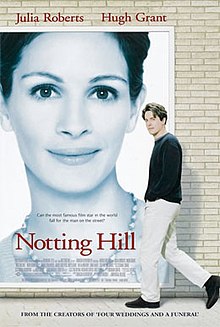

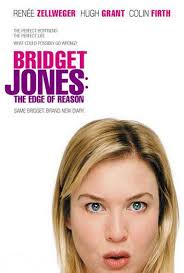
- Our film uses the conventions of rom coms as there are several recognisable character types. Most of these character types are common in the rom com genre. For example it includes the irresponsible slacker (played by Jonny Sollo) who is shown to be lazy and unorganised (this character is influenced by the character of Spike in Notting Hill, played by Rhys Ifans). Sam's character is the dominant one who is shown to be the learder of the group of friends, Arron is the slightly stupid character (and the one who is getting married) and Jonny plays the sensible, reliable one who keeps all of the others in line.
- All these characters are introduced in the opening scene, much like the characters in Four Weddings and a Funeral.
- It also develops the conventions as it is centered on the experiences of the male character and his group of friends rather than the female like in films such as Briget Jones' Diary. This means that it can appeal to bothe male and female audineces as females would like the romantic aspect and seeing the mistakes that men make in romantic situations whereas male audiences would relate to the portrayal of relationships from a male perspective.
- It challenges the conventions through its use of setting. Many existing romantic comedies are set in urban settings such as New York and London. Ours is set in an un-named seaside town in which life is shown to fairly bleak and uneventful which gives our film an element of realism which is almost never seen in romantic comedies.
Monday, 19 March 2012
Production Of Our Film
Our film will be independently produced. This is due to the low budget that was used to create the film and the unknown ators and directors used which will lead to a lack of interest from Major Production companies who are more likely to pick up films with large investments and from more established diectors with well known actors who would be likely to draw in a bigger audience.
Synopsis Of Our Film
Our film centers around four friends who are preparing for a wedding. It begins with the initial wedding rehearsal where we find out that the groom is nervous about getting married and the film follows all of the disasters and incidents that occur up until the wedding and how the four friends attempt to solve these problems in order to ensure that the wedding goes ahead without a hitch. Using this synopsis our film attempts to explore the problems and pit-falls of a relationships and engagements from a male point of view.
Decisions On Titling
For the titles in our film we decided that we wanted the actors names to appear on screen when their character does for the first time. This is a combination of techniques used in Notting Hill when all the actors names are shown and Four Weddings and a Funeral in which the actor's name appears at the same time that their character does. We decided to use a simplistic font in order to give a sense that these are ordinary people in a very everyday setting. We also used an unusual technique which was not to use capital letters for names in order to make it seem informal and connote the fact that this group of friends are very close and have a personal relationship with one and other. We decided to put the title of the film after the 2 minute opening in order to challenge the conventions that we noticed in films such as Four Weddings and Love Actually when they are traditionally at the beginning of the film or during the opening. We intended this to help the audinece become aqquainted with the characters they are following before the narrative begins.
Thursday, 15 March 2012
Production Company Info:
We named our production company 'The Two Jonny's Productions'. This is supposed a humorous play on words referencing famous comedy double act The Two Ronnies. This is appropriate as the company would mainly be focused on making comedy films. We wanted our logo to relate to the film industry and so choose and image of a camera on the front of a film clapboard as these are two of the most recognisable images in film-making.

Storyboard: Shot By Shot
Shot 1: The film opens with an establishing shot of the town in which it is set. This is presented as being a relatively ordinary town where it would appear not much happens. The grey sky gives a bleak impression of life in this town. The shot then pans down onto a specific part of the town where the action is supposedlly taking place. - Establishing Shot
Shot 2: Shows one of the main characters getting ready in a mirror. The fact that he is standing in front of the mirror connotes that he cares about his appearance and is perhaps vain. The shot is angled low in order to show that the character is dominant and does not shy away from social situations. - Mid Shot
Shot 3: We see a close up of car keys on a hall table as they are picked up by another of the main characters. The shot is short and the quick cut implies that he is in a hurry. - Close Up
Shot 4: Continues on from shot 3 as we see the character leaving the house and waking to his car. -Long Shot
Shot 5: The character waits a while before making a phone call, he is shown to be impatient. The camera is positioned on the dashboard so we can see the whole of the car's interior. - Mid Shot
Shot 6: Another character is shown still in bed and clearly late for an important event. As he answers his phone he is alerted to this fact and panics. This shows that he is lazy and unorganised. - Mid Shot
Shot 7: The same character is seen getting ready in a hurry. - Long Mid Shot
Shot 8: He is seen running down the stairs in a hurry. The camera pans and we see him exit the house. - Long Mid Shot
Shot 9: He is seen running towards the other character's car. - Long Shot/POV
Shot 10: He enters the car and there is a short exchange between him and the other character highlighting the fact that he is late. He is then handed a blazer and complains as he starts to put it on. This shows that he is uncaring about his appearance and has no desire to look smart. - Mid Shot
Shot 11: We see the main character getting ready in the mirror. - Mid Shot
Shot 12: Close up of him looking directly into the mirror. This creates a personal affect as we are introduced to the main charcter. He is shown by his actions and dialogue to be nervous about his wedding. - Close Up
Shot 13: He begins singing in the mirror. This reflects the comedy aspect of our film. - Close Up
Shot 14: The first character walks in on him and looks at him in amusement. - Mid Shot
Shot 15: The other 2 characters walk in late and do the same. - Mid Shot
Shot 16: The main character acts confused as to why they are amused. - Mid Shot
Shot 17: The camera pans down to show he is naked from the waist down except for boxers. - Mid Shot
Shot 18: Fades to black.
Shot 2: Shows one of the main characters getting ready in a mirror. The fact that he is standing in front of the mirror connotes that he cares about his appearance and is perhaps vain. The shot is angled low in order to show that the character is dominant and does not shy away from social situations. - Mid Shot
Shot 3: We see a close up of car keys on a hall table as they are picked up by another of the main characters. The shot is short and the quick cut implies that he is in a hurry. - Close Up
Shot 4: Continues on from shot 3 as we see the character leaving the house and waking to his car. -Long Shot
Shot 5: The character waits a while before making a phone call, he is shown to be impatient. The camera is positioned on the dashboard so we can see the whole of the car's interior. - Mid Shot
Shot 6: Another character is shown still in bed and clearly late for an important event. As he answers his phone he is alerted to this fact and panics. This shows that he is lazy and unorganised. - Mid Shot
Shot 7: The same character is seen getting ready in a hurry. - Long Mid Shot
Shot 8: He is seen running down the stairs in a hurry. The camera pans and we see him exit the house. - Long Mid Shot
Shot 9: He is seen running towards the other character's car. - Long Shot/POV
Shot 10: He enters the car and there is a short exchange between him and the other character highlighting the fact that he is late. He is then handed a blazer and complains as he starts to put it on. This shows that he is uncaring about his appearance and has no desire to look smart. - Mid Shot
Shot 11: We see the main character getting ready in the mirror. - Mid Shot
Shot 12: Close up of him looking directly into the mirror. This creates a personal affect as we are introduced to the main charcter. He is shown by his actions and dialogue to be nervous about his wedding. - Close Up
Shot 13: He begins singing in the mirror. This reflects the comedy aspect of our film. - Close Up
Shot 14: The first character walks in on him and looks at him in amusement. - Mid Shot
Shot 15: The other 2 characters walk in late and do the same. - Mid Shot
Shot 16: The main character acts confused as to why they are amused. - Mid Shot
Shot 17: The camera pans down to show he is naked from the waist down except for boxers. - Mid Shot
Shot 18: Fades to black.
Wednesday, 14 March 2012


Soundtrack For Our Film:
This is the soundtrack for our film. The song is called 'These Love Songs Don't Make Sense' and is by a local punk rock band called the Vindickers who have given us permission to use their music:
Romantic Comedy: Production Companies
The following is a list of romantic comedy films and the companies involved in their production:
- As Good As It Gets (1997): TriStar Pictures, Gracie Films
- The Wedding Singer (1998): Juno Pix, New Line Cinema, Robert Simonds Productions
- There's Something About Mary (1998): Twentieth Century Fox
- Notting Hill (1999): Polygram Entertainment, Working Title Films, Bookshop Productions
- Legally Blonde (2001): MGM, Marc Platt Productions
- Love Actually (2003): Universal Pictures, Studio Canal, Working Titles, DNA Films
- Just Married (2003): Twentieth Century Fox, Robert Simonds Productions
- Along Came Polly (2004): Jersey Films, Loofah Productions
- Wedding Crashers (2005): New Line Cinema, Tapestry Films, Avery Pix
- How To Lose Friends and Alienate People (2008): Number 9 Films, Film 4, Intandem Films
Romantic Comedy
 Romantic Comedy is a hybrid genre of comedy films and romance films. They are often popular with female audiences and films such as Notting Hill (1999) and Love Actually (2003) have become huge box office successes. Some 'rom coms' may also include elements of 'screwball' or 'stoner' comedies in order to appeal to both men and women such as Wedding Crashers (2005) or There's Something About Mary (1998).
Most romantic comedies are based around a romantic plotline, usually involving male and female characters who are shown to be perfect for each other and yet are kept apart by factors such as class difference, parental interferance, ex or current boyfriends/girlfriends. Practically all romantic comedies have a happy ending in which the twio main characters are finally united.
Thursday, 8 March 2012
Preliminary Film: Commentary
Our preliminary film was completed in the space of one day in October 2011. We decided to use a range of camera shots in order to create an interesting visual experience for the viewer and in order to to practice how to effectively use as may different types of camera shot as possible. We only used very basic editing techniques due to not having enough time and a lack of knowledge of the editing software. As a result we only used very simple cuts and editing only involved trimming shots in order to remove unwanted and unnecessary footage. There are a few minor continuity errors in our prelim, for example the extra sitting in the cafe behind the two main characters disappears for one shot, then re-appears for the next shot. There is also an error involving the waitress who, in one shot is seen talking to the two main characters and just a moment later is seen at the back of the cafe. After realising these mistakes we will attempt to minimise continuity errors in our main film. The prelim includes Jonny Cloke, Jonny Sollo, Natasha Kingscote and Rachel Howe.
Wednesday, 7 March 2012
Thursday, 1 March 2012
Film Classification
 After researching the criteria for film classificatiuon using the British Board of Film Classification website, I have determined that my film would be rated 15. This would mainly be due to strong language used within the film and possible sexual activity that may be necessary given the subject matter of the film and its genre (Rom Com).
Films rated 15 often contain elements such as:
- Drug Use: Drugs may be included in the film provided the film does not represent drug use as positive.
- Horror: Strong horror scenes are permitted provided they are not sadistic or sexualised.
- Dangerous Behaviour: For example self harm or attempted suicide. This is acceptable provided the film doesn't dwell on it.
- Language: Strong language is permitted provided it is not repeated or aggressive.
- Nudity is permitted in a sexual context provided there is no strong detail. There are no constraints on nudity in a non-sexual context.
- Sex: Sexual activity may be portrayed without strong detail. Strong verbal references to sexual behaviour are acceptable as long as justified by context.
- Violence: Strong violence is permitted as long as it does not dwell on the infliction of pain. Strong sexualised or sadistic violence in unlikely to be acceptable.
Tuesday, 24 January 2012
Four Weddings and a Funeral (1994) - Opening Sequence
The opening two minutes for my films have ben heavily influenced by the first scenes from British rom-com Four Weddings and a Funeral, directed by Mike Newell. The film falls in the same genre as my film and so is a good example of how my film has been influenced by similar films. The opening of the film shows a number of charcters preparing for a wedding, this is similar as the characters in my film are preparing for a wedding rehearsal. Four Weddings also has a soundtrack playing throughout the opening however there is no dialogue unlike in my film in which the music is faded in order for the dialogue to be heard. The song I have used is also of a much faster pace and less traditional which will hopefully create a contrat to the feel that the audience recieves watching the opening to Four Weddings and a Funeral. Another similarity is that the credits appear as part of the shots rather than in seperate frames which I aim to replicate with my film, however some actors names appear before the first frame which contrasts to my film in which any credits will appear as part of the first shots. The film also includes close ups of different objects such as the alarm clock and the saucepan, this is reflected in my film with the close up of the keys on the hall table as they are picked up by one of the characters.

Thursday, 19 January 2012
Preliminary Film
We set our preliminry film in a cafe with the narrative of a man asking his friend to be the best man at his wedding.
Dialogue:
Man 1: (on the phone) "I'll be there in a bit"
(In a cafe)
Man 2 : "I've got something to ask you"
Man 1: "Course mate, ask me anything"
Man 2: "Well basically..."
Waitress: (walks over) "Can I get you anything?"
Man 1: "I'll have a coffee"
Man 2: "I'm fine thanks, (waitress walks away) so anyway, as I was saying. You know I'm getting married in July? Well I want you to be my best man"
Man 1: "Of course I will".
Dialogue:
Man 1: (on the phone) "I'll be there in a bit"
(In a cafe)
Man 2 : "I've got something to ask you"
Man 1: "Course mate, ask me anything"
Man 2: "Well basically..."
Waitress: (walks over) "Can I get you anything?"
Man 1: "I'll have a coffee"
Man 2: "I'm fine thanks, (waitress walks away) so anyway, as I was saying. You know I'm getting married in July? Well I want you to be my best man"
Man 1: "Of course I will".
Wednesday, 11 January 2012
Editing
 This week we have begun editing what will be the final version of our opening scene. The shots that we originally filmed came to around 3 and a half minutes however we have been able to cut this down in order to make the film more fast paced and to the point. We have found the editing software (Sony Vegas) fairly easy to get on with despite initial problems with getting our film to play and hearing the soundtrack to our film. However these problems were solved by rendering the film to allow it to play as one and by moving the edited files to a computer with a working sound system in order to be able to import the song we have chosen (These Love Songs Don't Make Sense - The Vindickers) and edit the sound that already appears in the film. At the moment we have cut all of our footage together using cuts and fades to show our ability to use a range of different editing techniques. We have also put the soundtrack in and have established how to fade it out at the appropriate moment to go into first main scene in our film. We now need to work on editing the volume of the track in order to get the full effect if the dialogue in the very first scenes and need to decide on the font we are intending to use for the titles in our film. We will do this using dafont.com, a site which allows you to download more interesting and creative fonts than those available on conventional media software.
Subscribe to:
Comments (Atom)